Bluewallet Is a Bitcoin Wallet App Guide and Features
Bluewallet Is a mobile Bitcoin wallet for people who want to send, receive, monitor, and manage bitcoin without using a full exchange account as their main wallet. Bluewallet focuses on Bitcoin rather than a wide mix of tokens, and it is often used for everyday payments, cold-storage monitoring, watch-only setups, fee control, and learning self-custody. Users should still verify current features, fees, and download links with official sources before moving funds.
Bluewallet sits in a practical middle ground. It is approachable enough for a first Bitcoin receive address, but it also exposes features that more experienced users expect from a serious wallet, including SegWit support, transaction fee choices, watch-only wallets, and multisig vault workflows. That mix is why many people search for Bluewallet when they are trying to understand whether a phone wallet can be simple without hiding the realities of Bitcoin custody.
What is Bluewallet?
Bluewallet is a Bitcoin wallet application designed for iOS and Android users who want direct control over their Bitcoin keys and transactions. In plain terms, Bluewallet helps create wallets, generate receiving addresses, display balances, build transactions, and broadcast payments to the Bitcoin network. It does not make Bitcoin risk-free, and it does not turn a phone into the same security model as an offline hardware device, but it does give users a clear way to interact with Bitcoin on a mobile device.
Bluewallet is commonly described as Bitcoin-only, which matters because the app is not trying to be a universal crypto dashboard for every token, chain, and DeFi protocol. That narrower focus can make the interface easier to understand. Instead of presenting a long asset list, Bluewallet centers on the core Bitcoin tasks: receive, send, back up the recovery phrase, review transaction details, and manage wallet types.
For a new user, Bluewallet can be a first exposure to self-custody. Self-custody means the user is responsible for the seed phrase or signing keys that control funds. If those backups are lost, there may be no support desk that can restore the wallet. If those words are stolen, funds can be moved by someone else. Bluewallet makes the workflow accessible, but the responsibility remains real.
How does Bluewallet work with Bitcoin?
Bluewallet works by creating or importing wallet data that can derive Bitcoin addresses and sign transactions. When someone sends bitcoin to an address shown in Bluewallet, the transaction is recorded on the public Bitcoin blockchain after miners include it in a block. Bluewallet then reads network data and shows the balance and history associated with that wallet.
Bluewallet can create a standard mobile wallet, import an existing wallet, or track a wallet without holding private keys. This is where the distinction between a spending wallet and a watch-only wallet becomes important. A normal Bluewallet spending wallet can sign transactions from the phone. A watch-only Bluewallet setup can show balances and create receive addresses, but it cannot spend funds by itself because it does not contain the private key.
The protocol behind Bitcoin also explains why fees matter. Bluewallet may let users choose or adjust network fees depending on app version, wallet type, and network conditions. Higher fees can make confirmation more likely when the mempool is busy, while lower fees may be acceptable when speed is less important. Fee estimates can change quickly, so Bluewallet users should review the amount, recipient address, and fee before confirming any payment.
In practice, Bluewallet is not the Bitcoin network itself. It is an interface for keys, addresses, transactions, and network information. That difference is important for troubleshooting. If a transaction is delayed, the cause may be network congestion, a low fee, an unconfirmed parent transaction, or a connection issue rather than a simple app failure.
What can you use Bluewallet for?
Bluewallet can be used for small everyday Bitcoin payments, receiving bitcoin from another wallet or exchange, monitoring cold storage, experimenting with Lightning-related workflows where supported, and learning how Bitcoin transactions behave. Bluewallet is not a guaranteed investment tool, and it should not be treated as financial advice. It is a wallet interface, and the value of bitcoin can move sharply in either direction.
Bluewallet is especially useful when a user wants a dedicated Bitcoin app rather than a full trading platform. Exchanges can be convenient for buying and selling, but many users move funds to a personal wallet when they want direct custody. Bluewallet can receive from an exchange withdrawal, display the incoming transaction, and later send funds elsewhere when the user chooses.
A common Bluewallet use case is the watch-only wallet. Someone may keep private keys on a hardware wallet or offline signer, then use Bluewallet on a phone to view balances and create receive addresses. This can be convenient because the phone can monitor funds without being able to spend them alone. For readers comparing wallet types, a broader guide can help explain how mobile, desktop, hardware, and paper backups differ.
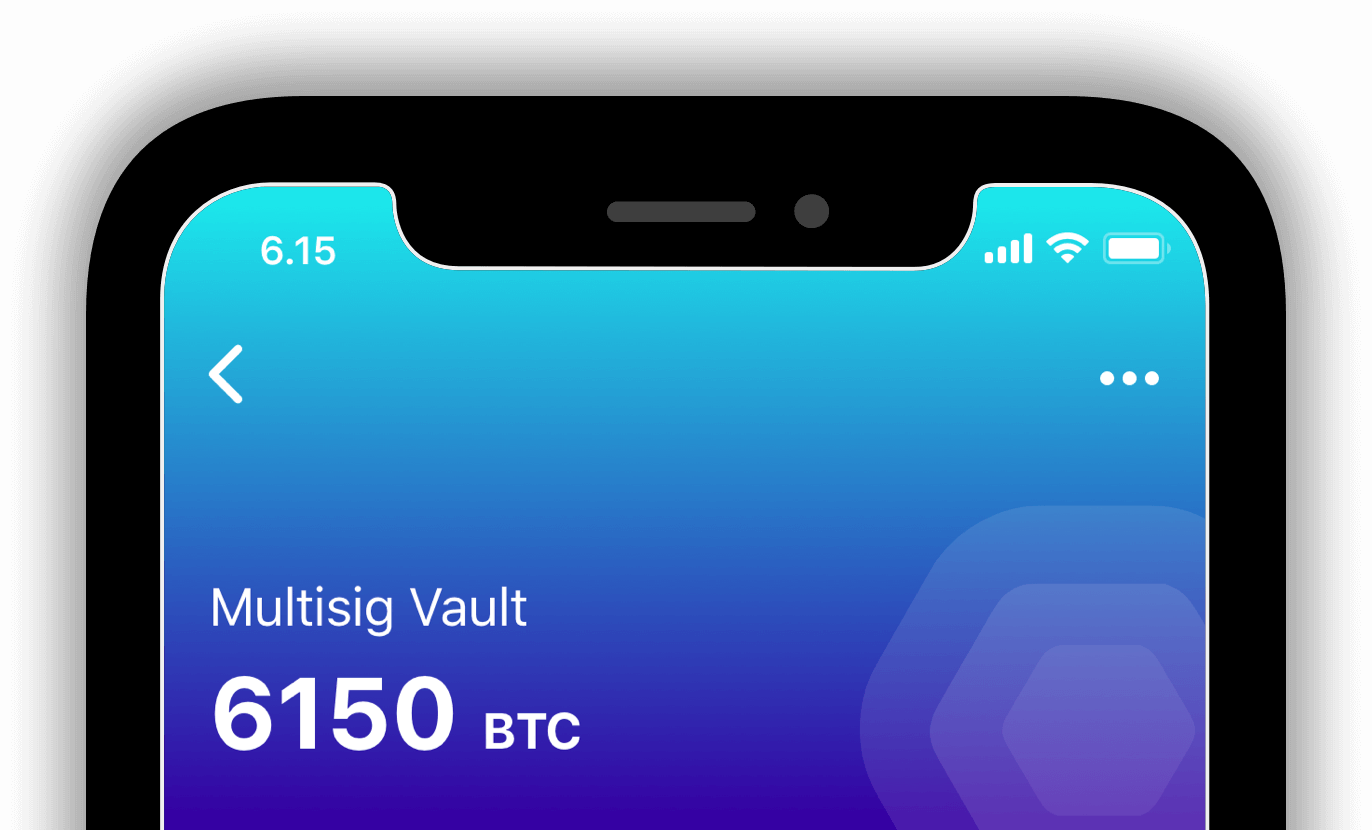
Bluewallet also supports workflows that appeal to advanced users, such as multisig vaults and hardware wallet coordination. A multisig setup requires more than one key to spend, which can reduce single-point failure if planned carefully. It can also increase complexity. A poorly backed-up multisig arrangement can be harder to recover than a simple wallet, so users should understand the signing policy and backup requirements before putting meaningful funds into it.
How do you get started with Bluewallet?
Bluewallet setup usually begins with installing the app from the official app store listing or the official project source, then creating a new wallet or importing an existing one. The safest starting habit is to treat every download, recovery phrase, and address as something worth verifying. Fake wallet pages and phishing prompts are common in crypto, so users should avoid sponsored lookalikes and confirm they are using legitimate sources.
Bluewallet onboarding is generally straightforward, but the backup step deserves full attention. A recovery phrase should be written down offline and stored where it cannot be casually photographed, synced, or copied. Bluewallet may make the process feel quick, but the words are the wallet's lifeline. Anyone who controls the phrase can usually control the funds.
A simple beginner workflow looks like this:
- Download Bluewallet only from a verified official source or app store page.
- Create a new Bitcoin wallet and write the recovery phrase offline.
- Confirm the backup process before receiving more than a test amount.
- Receive a small transaction first and wait for confirmations.
- Practice sending a small amount to understand fees and address checking.
- Review official Bluewallet documentation before using advanced features.
Bluewallet users should also understand that deleting an app is not the same as deleting funds from the blockchain. Bitcoin remains controlled by keys, not by the phone screen. If the wallet is restored correctly from the seed phrase, balances can often be recovered. If the phrase was never backed up, a lost or damaged device can become a serious problem.
Is Bluewallet safe for storing bitcoin?
Bluewallet can be safe for appropriate use, but safety depends on the device, backup habits, wallet type, and amount stored. A phone wallet is convenient, yet a phone is also an internet-connected device that may be lost, unlocked under pressure, infected, or backed up incorrectly. Bluewallet can help users manage Bitcoin securely, but it cannot remove every operational risk.
Bluewallet is often a good fit for spending money, learning, and monitoring, while larger long-term holdings may call for a hardware wallet, multisig plan, or other cold-storage approach. This is not because Bluewallet is unusually unsafe; it is because any hot wallet has a larger attack surface than an offline signing device. The right setup depends on the user's threat model, technical comfort, and recovery discipline.
The biggest Bluewallet safety issues are usually human ones. Users may save a seed phrase in cloud notes, type it into a fake support site, install a counterfeit app, send to the wrong address, or misunderstand a watch-only wallet. No wallet brand can fully protect against those mistakes. Bluewallet users should be cautious of anyone who asks for a recovery phrase, claims synchronization requires a deposit, or says funds can be unlocked by sending more bitcoin.
Bluewallet also requires careful updates and verification. Features can change, especially around Lightning, app store availability, service integrations, and default network settings. Before relying on Bluewallet for meaningful value, users should check current documentation, release notes, and official announcements. Crypto tools evolve quickly, and old screenshots or tutorials may no longer match the app.
How does Bluewallet handle Lightning?
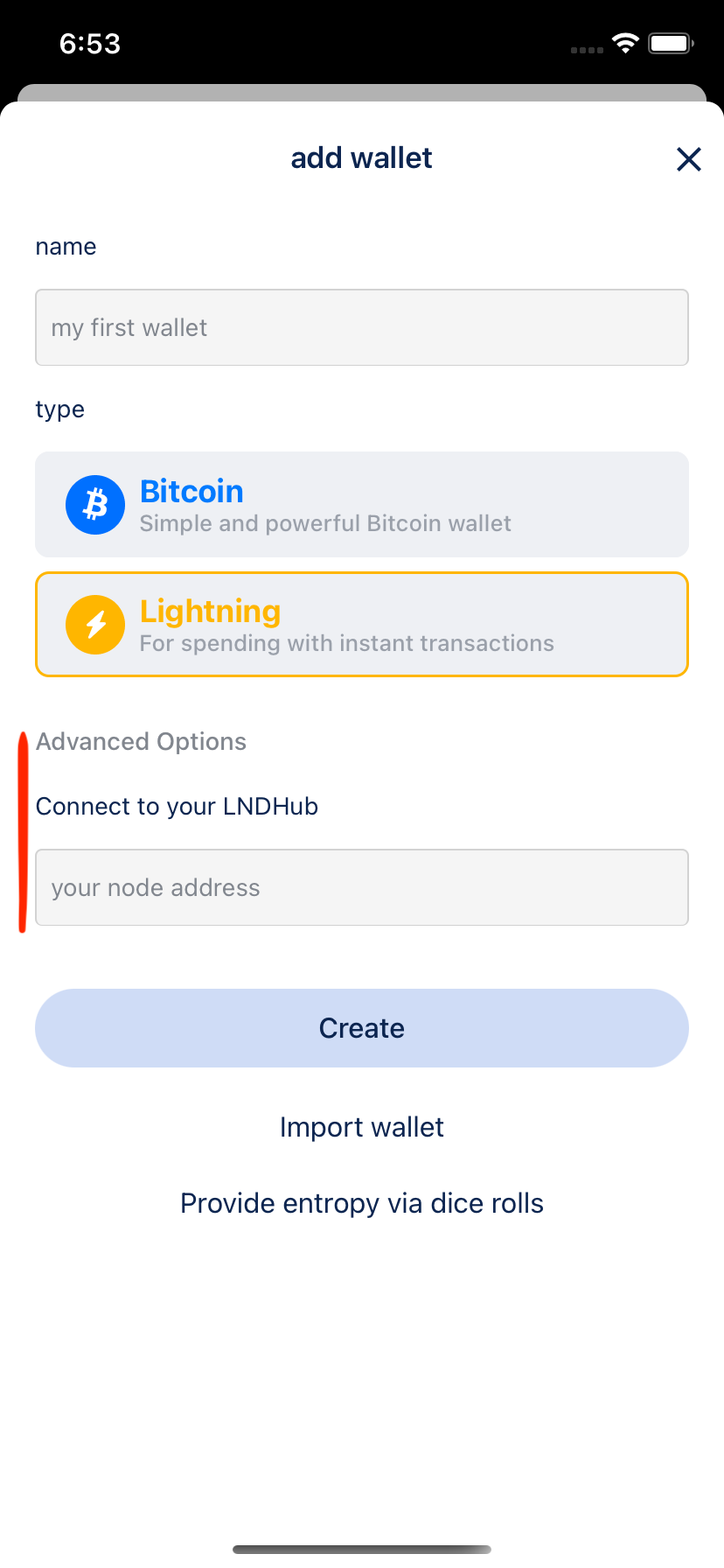
Bluewallet has been associated with Lightning wallet workflows, but Lightning support can depend on app version, configuration, and whether a user connects to a hosted service or their own infrastructure. The Lightning Network is designed for faster, lower-value Bitcoin payments, but it uses different tradeoffs from regular on-chain Bitcoin transactions. Bluewallet users should confirm the current Lightning model before assuming how custody, backup, or fees work.
Bluewallet and Lightning can be useful for small payments where waiting for on-chain confirmations would be inconvenient. However, Lightning introduces concepts such as channels, invoices, liquidity, node connectivity, and service trust. Some Lightning wallet experiences are custodial, meaning a third party holds or controls funds on the user's behalf. Other setups can be self-hosted but require more technical management. A separate primer can help users understand why the experience differs from normal Bitcoin transactions.
For a new user, the practical advice is simple: do not treat Lightning funds, on-chain funds, and exchange balances as identical. Bluewallet may present them in an easy interface, but the recovery method and risk model can differ. Verify whether the wallet is self-custodial, hosted, or connected to a node you control before sending funds that would be painful to lose.
What are the benefits of Bluewallet?
Bluewallet's main benefit is that it makes Bitcoin self-custody approachable without stripping away all of the controls users may need later. Bluewallet can start as a simple receive-and-send app, then grow into watch-only monitoring, hardware wallet coordination, fee management, and multisig vault planning. That progression is valuable because many Bitcoin users learn by doing, but they still need tools that do not trap them in a beginner-only workflow.
Bluewallet also benefits from a clear Bitcoin focus. Multi-chain wallets can be useful for people managing many assets, but they can also add distractions and extra attack surfaces. Bluewallet keeps the user's attention on Bitcoin addresses, confirmations, backups, and transaction details. For someone who only wants a Bitcoin wallet, that narrower scope can reduce confusion.
Another Bluewallet strength is the watch-only experience. Being able to monitor cold storage from a phone is useful for people who do not want to connect a hardware signer just to confirm a deposit arrived. Bluewallet can show activity and generate receive information while the private key remains elsewhere. Users should still verify receive addresses on the signing device when the amount is significant.
Bluewallet can also make advanced Bitcoin concepts feel less abstract. Replace-by-fee, fee selection, wallet imports, public keys, and multisig are easier to understand when a user sees them in an actual app. Bluewallet is not a substitute for learning the underlying risks, but it can be a practical teaching surface for Bitcoin custody.
What risks should Bluewallet users understand?
Bluewallet users should start with the basic crypto warning: bitcoin is volatile, transactions are generally irreversible, and wallet mistakes can have permanent consequences. A correct-looking transaction can still be wrong if the address was pasted from malware, the network fee was misunderstood, or the recipient was a scammer. Bluewallet can display details, but the user must decide whether those details are correct.
Bluewallet risk also includes device security. A weak phone passcode, outdated operating system, malicious keyboard, compromised clipboard, or cloud-synced screenshot can undermine the wallet. Users who store meaningful value should consider a hardware wallet or offline backup plan and should avoid keeping the only copy of recovery data on a phone.
Phishing is another major risk. Bluewallet users should be skeptical of support accounts, recovery websites, fake login portals, and messages that imply funds are stuck until another payment is made. A real self-custody wallet does not need a seed phrase submitted to a website for support. If a page asks for recovery words, the safe assumption is that entering them will lose the funds.
Bluewallet also cannot guarantee that an external service will perform as expected. Buying bitcoin through an exchange, payment provider, or third-party integration may involve identity checks, limits, spreads, withdrawal fees, regional restrictions, or service outages. Users should verify all details with the relevant provider and official Bluewallet information before relying on a workflow.
How does Bluewallet compare with other wallet choices?
Bluewallet is best compared by custody model and use case rather than by popularity alone. A mobile exchange app may be easier for buying and selling, but it often means the platform controls withdrawal rules and account access. Bluewallet is more focused on personal wallet control. A hardware wallet may offer stronger isolation for long-term storage, while Bluewallet may be more convenient for daily use and monitoring.
Bluewallet also differs from many broad crypto wallets because it does not try to center NFTs, staking dashboards, token swaps, or DeFi browsing. That can be an advantage for Bitcoin-focused users. It can be a disadvantage for someone who wants one app for many blockchains. Choosing Bluewallet makes the most sense when the user specifically wants Bitcoin tools rather than a general crypto portfolio interface.
Desktop Bitcoin wallets may offer deeper controls, larger screens, or better integration with a full node. Bluewallet offers portability and an approachable interface. Some users combine them: Bluewallet for watch-only monitoring and receiving, a hardware wallet for signing, and a full node or desktop wallet for deeper verification. That layered approach can be stronger than expecting one app to do everything perfectly.
Who is Bluewallet best suited for?
Bluewallet is best suited for people who want a Bitcoin-first mobile wallet and are willing to take backup security seriously. It can work well for beginners who are learning self-custody, for users who need a practical receiving wallet, and for more advanced Bitcoin holders who want watch-only or multisig-related workflows on a phone.
Bluewallet is less suitable for users who want a no-responsibility account recovery model, a full trading platform, or a wallet for many unrelated crypto assets. If someone expects password reset support to restore funds, a self-custody wallet may be the wrong starting point. If someone wants to hold large amounts, Bluewallet may be part of the system, but a hardware wallet and tested recovery plan should be considered.
Bluewallet is ultimately a tool, not a promise. It can make Bitcoin easier to use, but it still operates in a world where private keys matter, fees change, software evolves, and scams target inattentive users. The strongest Bluewallet setup is the one a user understands well enough to back up, test, update, and recover without guessing.
Questions and Answers
What is Bluewallet used for?
Bluewallet is used to send, receive, monitor, and manage bitcoin from a mobile device. It can serve as a simple spending wallet, a watch-only wallet for cold storage, or part of a more advanced setup involving hardware wallets or multisig. It is focused on Bitcoin, so it is not meant to be a general wallet for every cryptocurrency or token ecosystem.
Is Bluewallet a self-custody Bitcoin wallet?
Bluewallet can be used as a self-custody Bitcoin wallet when you create or import a wallet where you control the recovery phrase or signing keys. That also means you are responsible for backups and recovery. Some related workflows, especially Lightning or third-party service integrations, may have different custody assumptions, so users should verify the current model in official Bluewallet information before sending funds.
Is Bluewallet safe for beginners?
Bluewallet can be beginner-friendly, but safety depends on how it is used. A beginner should download only from verified sources, write the recovery phrase offline, test with a small amount first, and avoid anyone asking for seed words. Bluewallet makes Bitcoin custody easier to approach, but it cannot protect users from lost backups, phishing pages, malware, or sending bitcoin to the wrong address.
Can Bluewallet work with a hardware wallet?
Bluewallet can be used in watch-only and hardware wallet monitoring workflows, depending on the device and wallet setup. This can let a phone show balances and generate receive information while private keys remain on a separate signer. For meaningful amounts, users should confirm receive addresses on the hardware device and review official Bluewallet documentation because compatibility and exact steps can change over time.
Does Bluewallet support Lightning payments?
Bluewallet has supported Lightning-related workflows, but the exact experience can depend on app version, configuration, and whether a user connects to a hosted provider or their own node. Lightning can be useful for small, fast payments, yet it has different custody, backup, liquidity, and fee considerations from regular on-chain Bitcoin. Always verify the current Lightning setup before relying on it.
What happens if I lose my phone with Bluewallet installed?
If you lose your phone, recovery depends on whether you backed up the wallet correctly. For a standard self-custody Bitcoin wallet, the recovery phrase is usually the critical backup. If you have it, you may be able to restore the wallet on another compatible app. If you do not have it, Bluewallet or any other app may be unable to recover the funds.
Is Bluewallet better than keeping bitcoin on an exchange?
Bluewallet and an exchange solve different problems. An exchange can be convenient for buying, selling, and account-based access, but the platform may control withdrawals and custody. Bluewallet gives users more direct wallet control, which also creates more personal responsibility. The better choice depends on the user's goals, security habits, recovery plan, and need for trading versus holding or spending bitcoin.