Bluewallet Is a Bitcoin Wallet Setup and Safety Guide
Bluewallet Is a mobile Bitcoin wallet for people who want to receive, store, send, and monitor bitcoin from a phone while keeping practical control over wallet backups. It is best understood as a Bitcoin-focused app with on-chain wallets, watch-only monitoring, multisig vault tools, and Lightning features that may require connection to a user-controlled or third-party node setup. Anyone using Bluewallet should verify current app behavior with official sources before moving meaningful funds.
Bluewallet is often chosen by users who want a wallet that feels approachable without hiding the responsibilities that come with Bitcoin custody. The app can be useful for a first on-chain wallet, a spending wallet, a watch-only view of cold storage, or a more advanced multisignature arrangement. That range is valuable, but it also means the safest setup depends on how much bitcoin is involved, how often it will move, and whether the user understands backup recovery.
Bluewallet should not be treated as a bank account, an investment promise, or a guarantee of safety. A wallet app helps create and manage keys, prepare transactions, display balances, and interact with the Bitcoin network. It does not remove Bitcoin price volatility, transaction finality, address mistakes, phishing risk, malware risk, or the need to protect a recovery phrase. The right way to approach Bluewallet is to start small, learn the workflow, and increase complexity only when the basics are clear.
What is Bluewallet?
Bluewallet is a Bitcoin wallet application designed primarily for mobile use. It helps users create Bitcoin wallets, generate receiving addresses, send transactions, and manage more than one wallet inside the same app. Bluewallet is focused on Bitcoin rather than trying to be a general crypto portfolio app, which makes it easier for many users who care mainly about BTC, self-custody, and practical spending workflows.
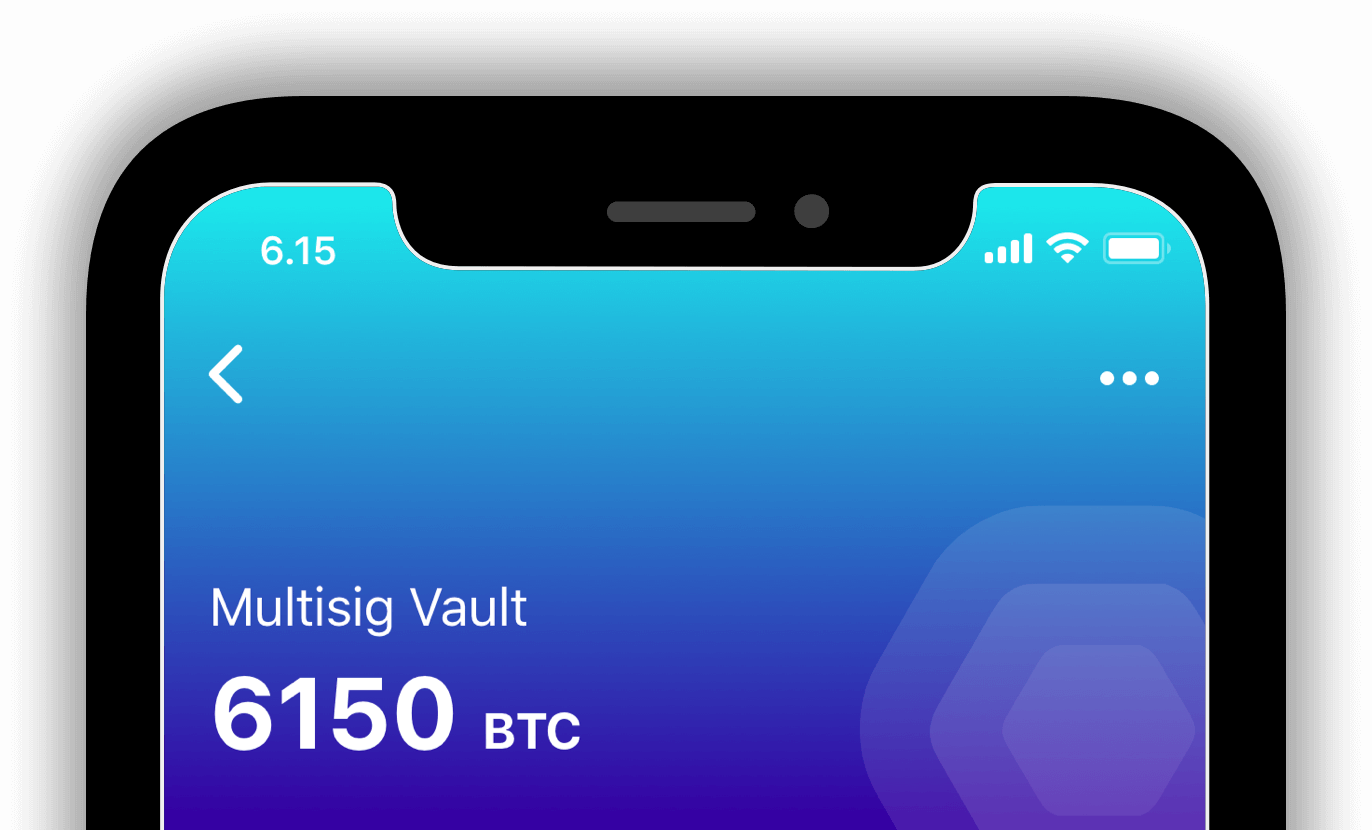
Bluewallet can support several wallet styles that serve different needs. A simple on-chain Bitcoin wallet is the most familiar option: the user has a recovery phrase, receives bitcoin to addresses, and sends transactions that confirm on the Bitcoin blockchain. A watch-only wallet lets someone monitor balances and transactions from public wallet information without storing private keys on the phone. Bluewallet also includes multisig vault functionality for setups where more than one key is required to spend.
The phrase non-custodial is important but should be used carefully. For a standard on-chain Bluewallet wallet, the user is responsible for the recovery phrase and key material. For Lightning-related setups, custody can depend on how the wallet is connected and whether a user is relying on their own node, a hosted service, or another provider. Bluewallet users should confirm the exact custody model before depositing funds, especially when Lightning is involved.
For readers comparing wallet types, a broader guide can help explain how hot wallets, cold storage, seed phrases, and addresses fit together. Bluewallet sits in the hot wallet category when keys are kept on a phone, though its watch-only and hardware wallet workflows can also support colder storage habits.
How does Bluewallet work for Bitcoin transactions?
Bluewallet works by helping the user manage wallet keys and create Bitcoin transactions. When a new on-chain wallet is created, the app presents recovery words that must be backed up privately. Those words can restore the wallet if the phone is lost, damaged, replaced, or reset. If someone else gets those words, they may be able to spend the bitcoin. If the words are lost and the device becomes unavailable, recovery may be impossible.
Bluewallet creates receiving addresses that other people or services can use to send bitcoin. After a payment is broadcast, the app reads blockchain data and displays the incoming transaction. A transaction may appear quickly but still need confirmations before it is considered settled for higher-value use. Bluewallet can also help build outgoing payments by taking a destination address, an amount, and a fee choice, then signing and broadcasting the transaction.
The Bitcoin fee market matters because Bluewallet does not control miner fees. A faster confirmation usually requires a higher fee when the network is busy. A slower payment can often use a lower fee, but it may take longer to confirm. Users should review fee settings before sending, especially during periods of congestion. Bitcoin payments are generally not reversible, so a wrong address or mistaken amount can be costly.
Bluewallet may also be used to inspect wallets without spending from them. With a watch-only wallet, a user can import an xpub, ypub, zpub, address, or other supported public wallet detail to observe balances and transaction history. That is useful for cold storage because the phone can see activity while the signing keys remain offline or on a hardware wallet. Watch-only does not mean risk-free, because privacy can still be affected if public wallet data is exposed.
How do you set up Bluewallet for the first time?
Bluewallet setup should begin with a small amount and a quiet environment. Install the app from the official app store listing or official project source, check that the publisher and download path are legitimate, and avoid links from ads, messages, or impersonation pages. Bluewallet has real power over wallet access, so the installation source matters as much as the steps inside the app.
Bluewallet typically starts with adding a wallet. For a standard Bitcoin wallet, the app generates recovery words and asks the user to write them down. The safest habit is to record the words offline, in the correct order, on durable material or paper stored privately. Screenshots, cloud notes, email drafts, and chat messages are risky places for a recovery phrase because they can be synced, searched, leaked, or stolen.
Bluewallet users should then test the full loop before trusting the wallet with more value. Receive a small amount, wait for the transaction to appear, send a small amount back out, and confirm that the backup has been checked. Some users also practice restoring the wallet on a spare device or offline test environment before committing funds. The point is to discover confusion early, not during an emergency.
A practical first-use workflow looks like this:
- Install Bluewallet from a verified source and update the operating system.
- Create a new Bitcoin wallet and write the recovery words offline.
- Set any available app-level password or device protection options.
- Receive a small test payment and wait for confirmation.
- Send a small test transaction while reviewing the address and fee.
- Store the backup where theft, fire, water, and accidental disposal are considered.
Bluewallet is easiest to learn when each action has a clear purpose. New users should avoid importing large balances, using unfamiliar Lightning connections, or experimenting with multisig until they understand what each backup controls. Wallet mistakes are usually not dramatic at the moment they happen; they become serious later when recovery is needed.
Is Bluewallet safe for storing bitcoin?
Bluewallet can be a safe tool when used with disciplined backup habits, a secure device, and realistic amounts for a mobile wallet. The main strength of Bluewallet is that it gives users practical self-custody options for Bitcoin. The main weakness is the same as with any hot wallet: a phone is connected to the internet, exposed to app permissions, vulnerable to theft, and dependent on the user maintaining good security hygiene.
Bluewallet safety begins with the recovery phrase. The phrase should never be typed into websites, shared with support accounts, stored in password managers without careful threat modeling, or photographed for convenience. No legitimate wallet support process should need the recovery words. If a prompt asks for them outside a deliberate wallet restore, the safest assumption is that something is wrong.
Bluewallet users should also think about device-level protection. A strong phone passcode, biometric unlock, current software updates, and cautious app installation habits all matter. App-level encryption or password settings can add friction against casual access, but they do not replace the recovery phrase backup. If malware or a malicious keyboard can observe sensitive input, the risk moves beyond the wallet interface.
For larger balances, Bluewallet may be better used as part of a layered setup. A hardware wallet can keep signing keys off the phone, while Bluewallet provides a convenient interface. A watch-only setup can let the user monitor cold storage without carrying the spending keys. A multisig vault can reduce single-key failure, but it adds backup complexity because multiple keys, wallet descriptors, and recovery instructions must be preserved.
What are Bluewallet multisig vaults and watch-only wallets used for?
Bluewallet multisig vaults are designed for users who want spending to require more than one key. Instead of a single recovery phrase controlling the wallet, a multisignature arrangement might require two of three keys, or another defined threshold, to authorize a transaction. This can reduce the risk of one lost or stolen key causing a total loss, but only if the user understands the backup model.
Bluewallet multisig is not automatically safer for every user. If the wallet configuration file, cosigner information, or recovery instructions are poorly stored, recovery can become difficult. If all keys are kept in the same drawer, the setup may not improve theft or disaster resistance. If the user forgets which devices hold which keys, a multisig vault can become harder to manage than a simple wallet.
Bluewallet watch-only wallets are useful when a user wants visibility without spending power. For example, someone with a hardware wallet or paper backup may import public wallet information into Bluewallet to track deposits and confirmations. This can reduce the temptation to unlock cold storage just to check a balance. It can also help detect incoming payments while keeping private keys away from the phone.
In practice, these features make Bluewallet more than a beginner wallet. A beginner can start with one standard Bitcoin wallet, while an advanced user can organize savings, spending, monitoring, and vault workflows in one app. The tradeoff is that every added feature deserves its own recovery plan. Convenience should never outrun the user's ability to restore funds from backups.
Can Bluewallet use the Lightning Network?
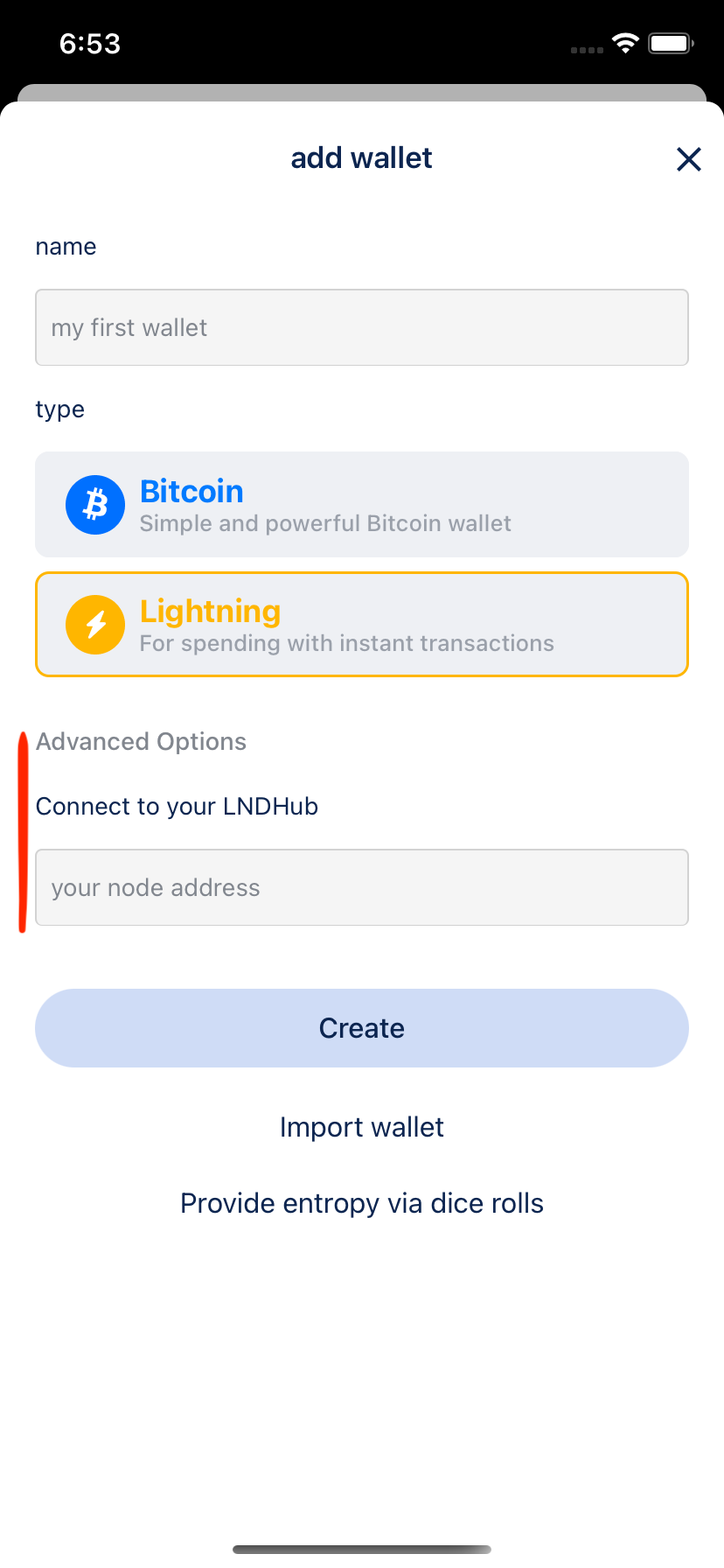
Bluewallet has Lightning-related functionality, but users must pay close attention to the current model. Earlier simple Lightning experiences in some wallets depended on custodial infrastructure, while more self-directed setups may require connecting to a node or service such as an LNDHub-style arrangement. Because Lightning wallet behavior can change over time, Bluewallet users should verify the current app documentation before sending sats to any Lightning wallet.
The Lightning Network is designed for faster, lower-cost Bitcoin payments by moving activity through payment channels rather than recording every small payment directly on-chain. It can be useful for small transactions, merchant payments, and frequent transfers. A separate explainer can help users understand channels, liquidity, invoices, and custody tradeoffs before they connect Bluewallet to a Lightning setup.
Bluewallet on-chain Bitcoin and Bluewallet Lightning workflows should not be confused. A normal Bitcoin recovery phrase may restore an on-chain wallet, while a Lightning account connected through another service can have different recovery requirements. Some Lightning setups are custodial, meaning a provider controls the funds. Others require running or connecting to infrastructure. The user should know which model applies before sending bitcoin.
For small experimental payments, Lightning can be convenient. For long-term savings, many users prefer on-chain cold storage, hardware wallets, or multisig arrangements. Bluewallet can play a role in either direction, but the safest choice depends on value, frequency of use, technical comfort, and the reliability of the connected infrastructure.
What fees and costs should Bluewallet users expect?
Bluewallet itself may be free to download, but Bitcoin usage is not fee-free. On-chain transactions require miner fees, and those fees fluctuate with demand for block space. Bluewallet may present fee options or estimates, but users still need to understand the tradeoff between cost and confirmation speed. A low fee can be reasonable for non-urgent movement, while urgent payments may require a higher fee.
Bluewallet users should also consider hidden operational costs. A hardware wallet costs money. Durable metal backup storage costs money. Running a node, maintaining Lightning infrastructure, or using a third-party service can involve time, fees, or trust. These costs are not necessarily bad; they are part of choosing the right level of sovereignty and convenience.
When sending from Bluewallet, the most important habit is review. Check the recipient address, amount, fee, and wallet source before approving. For larger sends, use a small test transaction when practical. Bitcoin does not have the same chargeback model as card payments, and a confirmed transaction sent to the wrong address is normally not recoverable by the wallet developer, an exchange, or a support representative.
How does Bluewallet compare with other Bitcoin wallet options?
Bluewallet compares well for users who want a Bitcoin-focused mobile interface with room to grow. Many general crypto wallets support a wide list of tokens, decentralized apps, and account types. Bluewallet is narrower, which can be an advantage for people who only want Bitcoin tools. The interface can serve everyday sending while still exposing watch-only, hardware wallet, and multisig concepts.
Bluewallet is not the only reasonable choice. A hardware wallet may be better for long-term savings because private keys can remain off a general-purpose phone. A full-node wallet may be better for users who prioritize independent verification and privacy. A custodial exchange account may be simpler for a beginner, but it means the user is trusting the platform and may not control the keys. Each option solves a different problem.
Bluewallet is strongest when the user matches it to a specific role. For small spending money, a standard mobile wallet can be convenient. For monitoring cold storage, watch-only mode can be useful. For higher-value collaborative custody, multisig may fit if the user can manage backups. For instant small payments, Lightning may help if the connected setup is understood. Choosing Bluewallet should be part of a wallet plan, not a substitute for one.
What should you do before relying on Bluewallet?
Bluewallet is worth learning slowly. Before relying on it, confirm that the app is current, read the official documentation, understand the difference between on-chain and Lightning wallets, and decide how much value belongs on a phone. Keep test transactions small until recovery, fees, address checking, and backups feel routine. This is especially important because Bitcoin security failures are often user-process failures rather than software failures alone.
Bluewallet can be a practical Bitcoin companion when used with careful expectations. It can help a new user make a first self-custody transaction, help an experienced user monitor storage, and help advanced users coordinate vault-style security. It does not remove the need to verify details, protect secrets, and think clearly about custody. Treat Bluewallet as a powerful tool, not a promise, and it becomes easier to use it responsibly.
Questions and Answers
Is Bluewallet a non-custodial Bitcoin wallet?
Bluewallet can be non-custodial for standard on-chain Bitcoin wallets because the user controls the recovery phrase and private keys. That means the user is responsible for backups and recovery. Lightning-related use may depend on the connected node or service, so the custody model should be verified before depositing funds. Users should check current official Bluewallet documentation because wallet features and defaults can change.
How do I back up a Bluewallet wallet safely?
Back up a Bluewallet on-chain wallet by writing the recovery words offline in the correct order and storing them somewhere private and durable. Do not save the phrase in screenshots, email, cloud notes, or chat apps. Anyone with the recovery phrase may be able to spend the bitcoin. It is also wise to test recovery with a small wallet before relying on the backup for meaningful value.
Can Bluewallet be used with a hardware wallet?
Bluewallet can be used in workflows that involve hardware wallets and watch-only monitoring, depending on the device and current app support. This can let a user view balances or prepare transactions while keeping signing keys outside the phone. Hardware wallet compatibility, export formats, and signing steps should be checked against official instructions before moving funds, especially for larger balances or multisig setups.
Does Bluewallet support the Lightning Network?
Bluewallet has Lightning-related features, but users should verify the current setup requirements before using them. Some Lightning arrangements require connecting to a user-controlled node or service, and custody can vary depending on that connection. On-chain Bitcoin wallets and Lightning wallets have different recovery assumptions. For safety, start with a small test amount and confirm how funds can be recovered or moved.
What fees do I pay when using Bluewallet?
Bluewallet users generally need to pay Bitcoin network miner fees for on-chain transactions. These fees change based on demand for block space and the urgency of confirmation. The app may show fee choices or estimates, but users should review them before sending. Lightning payments can have different fee behavior depending on routes and service setup. Wallet download cost and network transaction cost are separate issues.
Is Bluewallet good for beginners?
Bluewallet can be suitable for beginners who want a Bitcoin-focused mobile wallet and are willing to learn self-custody basics. The most important beginner skills are writing down the recovery phrase, receiving a small test payment, sending a small test transaction, and understanding that confirmed Bitcoin payments are generally irreversible. Beginners should avoid large deposits, unfamiliar Lightning setups, and multisig vaults until they understand the recovery process.
What is a Bluewallet watch-only wallet?
A Bluewallet watch-only wallet lets a user monitor balances and transactions using public wallet information without storing the spending keys on the phone. This is useful for checking cold storage, hardware wallet balances, or paper wallet activity. Watch-only access cannot spend funds by itself, but it can still reveal financial privacy if public wallet data is shared or exposed.