Bluewallet wallet Is a Practical Bitcoin Wallet Guide
Bluewallet wallet Is a mobile Bitcoin wallet used for receiving, sending, organizing, and learning everyday Bitcoin payments. It is best understood as a Bitcoin-first app with tools for on-chain transactions, wallet backup, address management, fee selection, and, depending on configuration, Lightning Network payments. Users should treat Bluewallet wallet as financial software: learn the recovery process, verify current features with official sources, and only move amounts they can responsibly manage.
Bluewallet wallet attracts many new users because it presents Bitcoin activity in a phone-friendly interface without requiring them to run a full node on day one. It can be useful for someone receiving their first on-chain payment, testing small Lightning invoices, separating spending funds from long-term savings, or learning how transaction fees work. The important point is that Bluewallet wallet is not a shortcut around Bitcoin basics. It is a tool that becomes safer when the user understands backups, private keys, addresses, network fees, and the difference between custodial and non-custodial arrangements.
What is Bluewallet wallet?
Bluewallet wallet is a Bitcoin wallet application commonly associated with iOS and Android use. Its core job is to help a user create or import a Bitcoin wallet, generate receiving addresses, sign outgoing transactions, and keep a readable history of activity. In plain language, Bluewallet wallet gives the phone a way to manage Bitcoin keys and payment requests, while the Bitcoin network handles settlement.
Bluewallet wallet is often discussed alongside terms such as mobile wallet, hot wallet, Lightning wallet, watch-only wallet, hardware wallet companion, mnemonic backup, and transaction fee estimator. Those terms can sound technical, but they describe practical decisions. A hot wallet is convenient because it is online and ready to spend. A hardware wallet is usually better for larger long-term balances because private keys can remain offline. Bluewallet wallet can fit into either learning or spending workflows, but users should match the setup to the amount of risk involved.
For someone comparing wallet categories, Bluewallet wallet sits closer to a daily-use Bitcoin app than a full exchange account. An exchange account may show a Bitcoin balance but usually keeps custody of the coins until withdrawal. A self-custody wallet requires more personal responsibility. Bluewallet wallet can help with that responsibility, but it cannot replace careful storage of the recovery words or thoughtful security habits.
How does Bluewallet wallet work?
Bluewallet wallet works by creating or importing wallet keys, then using those keys to generate addresses and authorize Bitcoin transactions. When a user receives Bitcoin, the app displays an address or QR code. When a user sends Bitcoin, the app builds a transaction, asks for confirmation, and broadcasts it through connected network infrastructure. The exact screens can change over time, so users should confirm current behavior in the official app and documentation before relying on any feature.
Bluewallet wallet may support multiple wallet types depending on the version, platform, and configuration. A typical on-chain Bitcoin wallet is used for regular transactions recorded directly on the Bitcoin blockchain. A watch-only wallet lets someone monitor addresses without holding the spending keys on the phone. A Lightning configuration may involve payment channels or a connected Lightning service, which is designed for fast, small payments but has different tradeoffs from on-chain storage.
The protocol details matter because Bitcoin transactions are usually irreversible. Bluewallet wallet can show a confirmation prompt, fee options, and destination data, but the user still needs to check the address, amount, and network type before approving a payment. In practice, most mistakes come from rushing: sending to the wrong address, misunderstanding fees, losing the seed phrase, or assuming that every Lightning setup has the same custody model.
How to get started with Bluewallet wallet
Bluewallet wallet setup usually begins with downloading the app from the official app marketplace for the device, opening it, and creating a new Bitcoin wallet or importing an existing one. A new wallet should generate recovery words, sometimes called a seed phrase or mnemonic. Those words are the backup. Anyone who has them may be able to restore and spend the wallet, so they should be written down carefully and kept offline.
Bluewallet wallet beginners should avoid loading meaningful funds before they have practiced the full cycle. A sensible learning flow is to create the wallet, record the backup, receive a small test amount, send a small payment, and confirm that the transaction appears as expected. If the app offers an encryption password, biometric lock, or app-level protection, those controls can reduce casual device risk, but they do not replace the seed phrase backup.
A simple first-use workflow can look like this:
- Install Bluewallet wallet only from a trusted app store or official source.
- Create a new Bitcoin wallet and write the recovery words on paper.
- Review the receiving screen and copy or scan a fresh address.
- Send a small test amount before transferring more funds.
- Check fees, confirmations, and transaction history before relying on the wallet for regular use.
For background on the broader category, a reader may also want to understand how a differs from an exchange balance, and how a handles smaller payment flows. Bluewallet wallet can be part of those workflows, but the safest setup depends on the user’s goals, device security, and comfort with self-custody.
What can Bluewallet wallet be used for?
Bluewallet wallet can be used for everyday Bitcoin tasks such as receiving payments, sending to another wallet, checking transaction status, and managing multiple wallets in one app. Some users create separate wallets for learning, spending, donations, or travel. That separation can make accounting easier because each wallet has its own history, labels, and purpose.
Bluewallet wallet is also useful as an educational bridge between simple mobile payments and more advanced Bitcoin custody. A user can learn what a QR code invoice is, why a receiving address changes, how miner fees affect confirmation speed, and why backups are more important than the phone itself. These lessons carry over to hardware wallets, multisignature custody, full-node setups, and privacy-focused practices.
Bluewallet wallet may appeal to people who want a Bitcoin-focused experience rather than a multi-asset crypto app. That focus can reduce distractions, although it also means the app is not designed to manage every token, chain, or decentralized finance activity. If a user wants broad asset support, exchange trading, staking, or complex DeFi functions, Bluewallet wallet may not be the right primary tool.
Fees and transaction costs in Bluewallet wallet
Bluewallet wallet does not remove Bitcoin network fees. For on-chain transactions, fees are paid to miners through the Bitcoin transaction itself, and the required amount changes with network demand. A busy mempool can make urgent transactions more expensive. A quieter period can make slower transactions cheaper. The app may display fee choices, but the user should understand the tradeoff between cost and confirmation speed.
Bluewallet wallet users should distinguish app fees, network fees, exchange purchase fees, and Lightning routing fees. If a user buys Bitcoin through a third-party service, that service may charge its own spread or transaction cost. If a user sends on-chain Bitcoin, the Bitcoin network fee applies. If a user sends over Lightning, small routing fees may apply, and the custody or channel model can change the risk profile.
In practice, fee awareness is one of the biggest benefits of using a real wallet. Bluewallet wallet can make fees visible in a way that exchange balances often do not. A user who learns to test with small amounts, choose appropriate urgency, and avoid unnecessary tiny on-chain transactions will usually understand Bitcoin much better than someone who only sees a balance number on a platform.
Is Bluewallet wallet safe?
Bluewallet wallet can be safe for appropriate use, but safety depends heavily on setup, device hygiene, and the amount stored. A phone connected to the internet is convenient, but it is not the same as offline cold storage. For small spending balances, Bluewallet wallet can be practical. For life-changing amounts, users should study hardware wallets, multisignature backups, inheritance planning, and independent verification before deciding where funds belong.
Bluewallet wallet security starts with the recovery words. The seed phrase should not be photographed, emailed, pasted into cloud notes, or typed into random websites. A paper or metal backup kept in a private location is usually safer than a screenshot. Users should also protect the phone with a strong device passcode, keep the operating system updated, avoid suspicious apps, and be careful with copied addresses.
Bluewallet wallet users also need to understand phishing risk. A fake support account, cloned download page, malicious QR code, or urgent message can trick someone into revealing backup words. Real wallet support should not need a seed phrase. If any site, person, form, or chat asks for recovery words, the safest assumption is that the funds are at risk. Verify details through official sources before acting.
Bluewallet wallet and Lightning payments
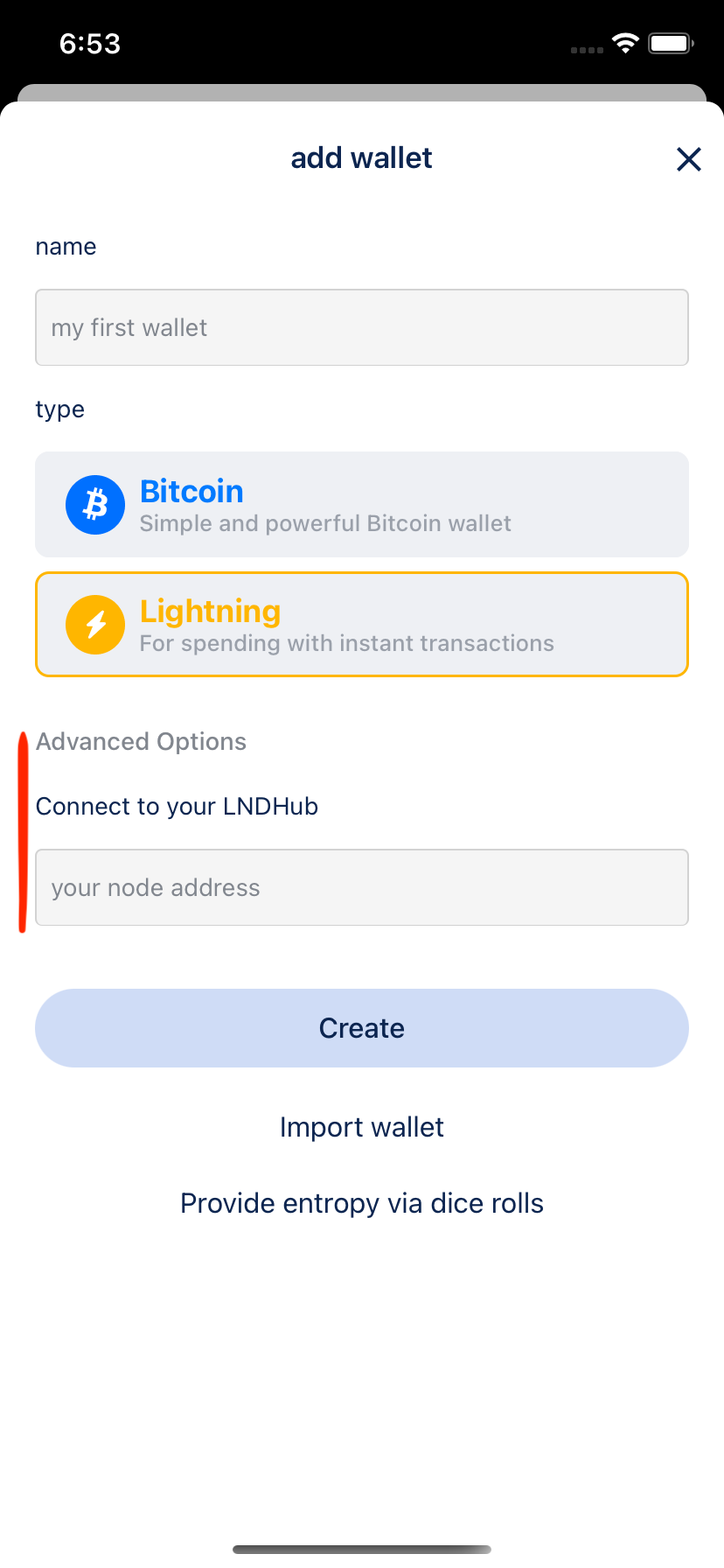
Bluewallet wallet is often mentioned in the context of the Lightning Network because Lightning is designed for faster, lower-value Bitcoin payments. Lightning can be useful for small purchases, tipping, testing invoices, or moving sats quickly between compatible wallets. However, Lightning is not just a faster version of an on-chain transaction. It involves payment channels, liquidity, routing, and sometimes service providers.
Bluewallet wallet Lightning behavior has changed across time and may depend on the version or connected infrastructure. That is why users should verify the current Lightning setup directly with official materials before assuming custody, backup, or withdrawal behavior. The general principle is simple: understand who controls the keys, how recovery works, what happens if a service is unavailable, and whether funds can be moved back on-chain.
For a new user, Bluewallet wallet can be a way to learn Lightning concepts with small amounts. A receiving invoice usually includes an amount, a description, and a QR code or payment string. Sending requires scanning or pasting that invoice and approving the payment. Because Lightning payments often settle quickly, the user should check details before tapping send rather than trying to reverse a mistake afterward.
How does Bluewallet wallet compare with other Bitcoin wallet options?
Bluewallet wallet is one option among several Bitcoin wallet styles. The right comparison is not simply which app is most popular, but which custody model fits the user. Mobile wallets are convenient. Hardware wallets improve key isolation. Desktop wallets can offer more advanced controls. Full-node wallets can improve sovereignty and verification. Custodial exchange accounts are easier to start with but require trusting the platform.
Bluewallet wallet may be a strong fit for users who want a Bitcoin-first mobile interface, multiple wallet organization, QR-based payments, and a path toward more serious self-custody habits. It may be less suitable for users who want multi-chain asset management, built-in trading across many tokens, or a completely hands-off custody experience. Each alternative changes the balance of convenience, privacy, recovery, and control.
| Wallet type | Typical strength | Main caution |
|---|---|---|
| Bluewallet wallet | Mobile Bitcoin use and learning | Phone security and backup discipline matter |
| Hardware wallet | Long-term key protection | Requires careful setup and physical backup |
| Exchange account | Easy buying and selling | User may not control the private keys |
| Full-node wallet | Independent verification | More technical maintenance |
Bluewallet wallet can also work as part of a broader setup rather than the only wallet a person uses. Some people keep small spending funds on mobile, larger savings on hardware, and watch-only balances on the phone for monitoring. This layered approach can reduce the pressure on any single app, but it still requires the user to document recovery steps clearly.
Common mistakes to avoid with Bluewallet wallet
Bluewallet wallet mistakes are usually preventable. The first mistake is treating the wallet like a bank login. There may be no password reset for lost seed words. The second mistake is keeping too much value in a hot wallet. The third mistake is ignoring fees until an urgent transaction becomes expensive. The fourth mistake is trusting unofficial messages that ask for private information.
Bluewallet wallet users should also avoid mixing up on-chain addresses and Lightning invoices. They are different payment formats with different settlement paths. A Bitcoin address is used for blockchain transactions. A Lightning invoice is used for Lightning payments. Modern wallet interfaces try to make this clear, but users should still read the screen and verify the payment type before sending funds.
Another common issue is failing to test recovery. Bluewallet wallet backup words are only useful if they were written correctly and stored where the owner can find them. Advanced users may test restoration on a separate offline or clean device with tiny amounts, but beginners should be cautious and avoid exposing seed words unnecessarily. The goal is confidence without creating new risk.
Who should consider Bluewallet wallet?
Bluewallet wallet may suit people who want a practical Bitcoin mobile wallet, especially if they are learning self-custody and plan to start with modest amounts. It can also suit users who want to separate spending funds from savings, experiment with address management, or explore Lightning payments in a controlled way. The app is not a substitute for a complete security plan, but it can be a useful part of one.
Bluewallet wallet is less appropriate for someone who refuses to manage backups, wants guaranteed recovery through a company account, or plans to store a large balance without studying custody. Bitcoin ownership can be empowering, but it moves responsibility to the user. That responsibility includes checking official documentation, understanding current features, and making decisions based on personal risk tolerance rather than hype.
Bluewallet wallet ultimately works best when used deliberately. Start small, learn the recovery model, understand fees, verify the recipient, and keep larger savings in a setup designed for long-term protection. With those habits, Bluewallet wallet can be a clear entry point into Bitcoin payments, Lightning experimentation, and the broader discipline of self-custody.
Questions and Answers
What is Bluewallet wallet used for?
Bluewallet wallet is used to create or import Bitcoin wallets, receive payments, send Bitcoin, view transaction history, and manage everyday Bitcoin activity from a mobile device. Depending on version and configuration, it may also support Lightning-related workflows. It is best treated as a practical Bitcoin wallet for learning and spending, not as a replacement for deeper custody planning or official feature verification.
Is Bluewallet wallet non-custodial?
Bluewallet wallet can be used in non-custodial ways for on-chain Bitcoin wallets, meaning the user controls the recovery words and is responsible for protecting them. Some Lightning configurations or third-party services may involve different custody assumptions, so users should verify the current model before depositing funds. The key question is always who controls the private keys and how recovery works.
How do I back up Bluewallet wallet safely?
Back up Bluewallet wallet by carefully writing the recovery words on paper or another durable offline medium, checking the spelling and order, and storing them somewhere private. Do not save the seed phrase in screenshots, cloud notes, email, or chat apps. Anyone with those words may be able to restore the wallet and spend the funds, so the backup should be treated as sensitive financial access.
Can Bluewallet wallet be used for Lightning payments?
Bluewallet wallet has been associated with Lightning payment workflows, but Lightning support and custody details can change by app version and configuration. Users should confirm the current setup through official materials before relying on it. Lightning can be useful for fast, small Bitcoin payments, but it has different mechanics from on-chain Bitcoin, including invoices, routing, liquidity, and sometimes service dependencies.
Does Bluewallet wallet charge fees?
On-chain Bitcoin transactions sent from Bluewallet wallet require Bitcoin network fees, which vary with network demand and confirmation urgency. Lightning payments may involve small routing fees, and any third-party buying service may charge separate costs or spreads. Users should review the fee screen before confirming a transaction and understand that app convenience does not remove normal Bitcoin network economics.
Is Bluewallet wallet good for beginners?
Bluewallet wallet can be approachable for beginners because it focuses on common Bitcoin tasks such as receiving, sending, and organizing wallets. Beginners should start with small amounts, learn what recovery words mean, test basic transactions, and avoid rushing. It is still real financial software, so the safest beginner experience comes from careful backup habits and verifying current instructions with official sources.
Should I store all my Bitcoin in Bluewallet wallet?
Storing all Bitcoin in Bluewallet wallet is usually not the best approach for larger balances because a mobile phone is an internet-connected device. Many users keep small spending amounts in a mobile wallet and use hardware wallets, multisignature setups, or other cold-storage methods for long-term savings. The right choice depends on the amount, threat model, recovery plan, and personal technical comfort.